
Understanding nozzle size is key to matching pressure and spray angle for each surface. A pressure washer can help you quickly clean large areas of all kinds of hard outdoor surfaces. Use the right nozzle to protect wood decks, siding, cars, or concrete driveways. Pick the size to protect surfaces and clean so.

Angle Degrees and Flow Rates Explained
Angle degrees determine spray width, while flow rates dictate gallons per minute. A 0.5° nozzle delivers a jet, ideal for tasks, whereas an 8° nozzle spreads water gently over large areas. Matching angle to surface type ensures efficient cleaning damage. daily care

0.5° Nozzle – High-Pressure, Low-Volume
The 0.5° nozzle delivers a razor‑sharp, high‑pressure jet ideal for precision cleaning. Its narrow spray concentrates force into a small area, perfect for removing stubborn paint, graffiti, or mildew from delicate surfaces like trim, windows, or small metal parts. Because the flow rate is low, the water volume is minimal, reducing splashing or surface damage. This nozzle is especially useful when targeting a specific spot without disturbing surrounding areas. When using a 0.5° nozzle, keep the tip about 12–18 inches from the surface and hold it at a 45‑degree angle to avoid gouging. It’s not suited for large, flat surfaces such as driveways or patios, where a wider angle would be more efficient. The high pressure can lift grime from recessed corners, but always test on a hidden corner first. For best results, pair the 0.5° nozzle with a pressure washer that delivers at least 3000 PSI and a flow rate of 1.5–2.5 GPM. This combination ensures enough power to cut tough stains while keeping water volume low enough to prevent erosion of fragile materials. Because of its high pressure, it can also remove rust stains from metal surfaces, but caution is advised. Clean the nozzle after each use to prevent clogging, and add a small amount of detergent to enhance cleaning power. When not in use, store the nozzle in a dry place to avoid corrosion. This ensures longevity and performance now
The 0.5° nozzle’s fine spray is ideal for cleaning intricate trim, window sills, or decorative railings where a broader spray would damage paint or finish. Its high pressure can remove baked‑on grease from engine blocks, but the low flow minimizes water‑damage risk. When cleaning, keep the nozzle moving to avoid streaks. Always test on a hidden corner first. After use, rinse the nozzle with clean water and dry it to prevent rust. This ensures longevity and performance now! Use it with care for best results daily!!.
2° Nozzle – Versatile Mid-Pressure
The 2° nozzle offers a balanced spray that combines moderate pressure with a wider angle, making it ideal for a variety of outdoor cleaning tasks. Its 2‑degree angle produces a cone of water that covers a decent surface area while still delivering enough force to lift dirt, grime, and light stains from wood, vinyl, brick, and concrete. Because the flow rate is higher than the 0.5° tip but lower than the 4° and 6° options, it is a middle‑ground choice that works well on most residential surfaces without risking damage. When cleaning decks, siding, or patio tiles, keep the nozzle 12–18 inches from the surface and move it in a steady, overlapping pattern to avoid streaks. The 2° nozzle is also suitable for automotive applications where a moderate pressure is needed to remove road grime without scratching paint. For best results, pair it with a pressure washer that can deliver at least 2500 PSI and a flow rate of 2.5–3.5 GPM. Adding a mild detergent can enhance the cleaning power, especially on stubborn stains. After each use, rinse the nozzle with clean water and dry it to prevent mineral buildup. Store the nozzle in a dry place to avoid corrosion. This nozzle’s versatility makes it a staple for homeowners who need a reliable, all‑purpose cleaning tool that balances power and safety.
Wood or metal surfaces benefit from the 2° nozzle’s moderate pressure, cutting gouging risk. It cleans gutters, roof shingles, and outdoor furniture. When covering large areas, its wider cone saves time, but heavy stains call for a 4° or 6° nozzle.
4° Nozzle – Standard Wide Coverage
The 4° nozzle is the most common choice for general‑purpose cleaning. Its 4‑degree spray angle creates a wide, even cone that covers a larger surface area while still delivering sufficient pressure to remove dirt, mildew, and light stains from a variety of outdoor surfaces. With a flow rate typically around 2.5–3.5 gallons per minute at 2500–4000 PSI, the 4° tip balances power and safety, making it suitable for wood decks, vinyl siding, concrete driveways, and patio tiles. Because the pressure is moderate, it reduces the risk of gouging or scratching delicate materials while still providing an efficient cleaning cycle. When using a 4° nozzle, keep the wand 12–18 inches from the surface and move it in a slow, overlapping motion to avoid streaks. For stubborn grime, a mild detergent can be added to the water line, enhancing the cleaning effect without damaging surfaces. After each use, rinse the nozzle with clean water and dry it to prevent mineral deposits. Store the nozzle in a dry, cool place to avoid corrosion. The 4° nozzle is also ideal for routine maintenance tasks such as washing outdoor furniture, cleaning gutters, and removing algae from roof shingles. Its versatility and moderate pressure make it a staple for homeowners who need a reliable, all‑purpose cleaning tool that delivers consistent results without excessive wear on surfaces. Whether you’re tackling a stubborn oil spill on a driveway or simply refreshing a patio’s appearance, the 4° nozzle delivers reliable performance without compromising the integrity of the material.!
6° Nozzle – Heavy‑Duty Surface Cleaning
The 6° nozzle is designed for high‑pressure, high‑flow applications where a broader spray is needed to tackle tough grime, oil stains, and heavy buildup on durable surfaces. With a typical flow rate of 4–5 gallons per minute at 3000–4500 PSI, the 6° tip delivers a powerful, wide‑angle blast that covers a larger area while still maintaining enough force to penetrate deep‑seated dirt. This makes it ideal for cleaning concrete driveways, large patio stones, brick walls, and even exterior vehicle panels that can withstand aggressive pressure. Because the pressure is higher, operators should keep the wand at a distance of 18–24 inches from the surface and move in a steady, overlapping pattern to avoid gouging or damaging the material. The 6° nozzle is also effective for removing stubborn paint, rust, and mildew from metal railings, fences, and garage doors. When using a detergent or cleaning solution, mix it directly into the water line to create a pre‑treatment that loosens grime before the high‑pressure wash. After each session, rinse the nozzle with clean water and dry it thoroughly to prevent mineral deposits and corrosion. Store the nozzle in a dry, ventilated area to maintain its longevity. The 6° nozzle’s versatility and strength make it a go‑to choice for professional landscapers, contractors, and homeowners who need a reliable tool for heavy‑duty cleaning without compromising surface integrity. For optimal results, always test a small, inconspicuous area first to ensure the pressure does not damage the surface. If the material is porous or delicate, consider using a lower pressure setting or a different nozzle angle to avoid erosion. Regular maintenance of the nozzle, such as cleaning out debris and checking for cracks, ensures consistent performance and extends the life of the tip. In addition, the 6° nozzle can be paired with a rotary brush attachment for extra scrubbing power on stubborn stains, making it a versatile tool for both residential and commercial cleaning tasks. When cleaning large outdoor areas, the 6° nozzle’s wide coverage reduces the number of passes required, saving time and energy. Its ability to maintain a consistent spray pattern even at higher pressures makes it suitable for use on uneven terrain, such as sloped driveways or multi‑layered patios. Operators should also be mindful of local regulations regarding water usage and discharge, ensuring that runoff is directed away from water bodies and that any chemicals used are environmentally safe. Proper training on pressure washer operation, including understanding the relationship between PSI, flow rate, and nozzle angle, is essential to maximize cleaning efficiency while protecting surfaces from damage. By selecting the right nozzle size and operating within safe parameters, users can achieve professional‑grade results with minimal effort. Lorem ipsum dolor sit amet, consectetur adipiscing elit. Sed do eiusmod tempor incididunt ut labore et dolore magna aliqua. Ut enim ad minim veniam, quis nostrud exercitation ullamco laboris nisi ut aliquip ex ea commodo consequat. Extra
8° Nozzle – Soft-Pressure Applications
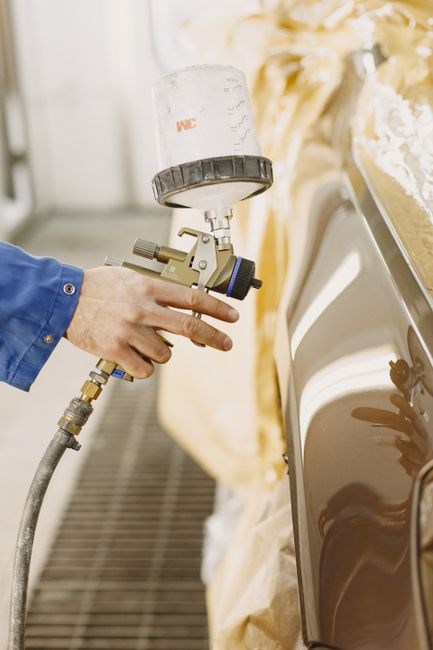
The 8° nozzle is engineered for gentle, low‑pressure cleaning tasks where surface integrity matters most. With a flow rate of roughly 3–4 gallons per minute at 1500–2500 PSI, this tip delivers a wide, soft spray that spreads moisture evenly across delicate materials such as painted wood, vinyl siding, or freshly sealed decks. Because the pressure is reduced, the 8° nozzle minimizes the risk of gouging, blistering, or stripping paint, making it ideal for routine maintenance or pre‑washing before applying sealants or stains. Operators should hold the wand 12–18 inches from the surface and move in a slow, overlapping motion to ensure thorough coverage without over‑exposing any spot. The wide angle also allows for efficient cleaning of large flat areas—think patio tiles or garage floors—without the need for multiple passes; For stubborn stains, a mild detergent can be mixed into the water line, and the 8° nozzle will disperse it evenly, allowing the solution to work without the harsh impact of a higher‑pressure tip. After use, rinse the nozzle with clean water to remove any residue and dry it to prevent mineral buildup. Proper storage in a dry, ventilated area extends its lifespan. The 8° nozzle is a versatile choice for homeowners who want a safe, effective cleaning solution for sensitive surfaces, and it can also be paired with a foam‑forming attachment for a gentle, foamy wash that enhances the cleaning experience. By selecting the right nozzle operating within its optimal pressure range, users can achieve spotless finish while preserving longevity of their exterior surfaces.
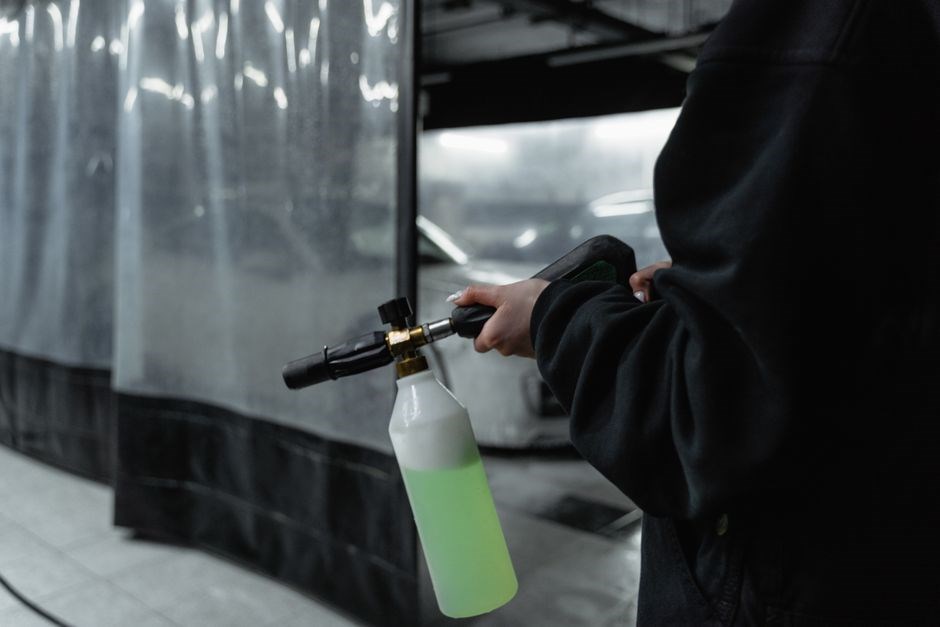
Stainless Steel vs Brass vs Plastic
When selecting a pressure washer nozzle, material choice influences durability, corrosion resistance, and cost. Stainless steel nozzles are the most robust, offering excellent resistance to rust, mineral deposits, and high‑temperature water. They are ideal for commercial use or for users who frequently clean hard surfaces like concrete or metal, where longevity outweighs upfront cost. Brass nozzles provide a balance between strength and price. They are less expensive than stainless steel yet still offer good corrosion resistance for most residential applications. However, brass can corrode over time when exposed to chlorinated water or harsh chemicals, leading to reduced spray performance. Plastic nozzles are the most economical option and are lightweight, making them convenient for casual users. They are suitable for low‑pressure tasks, such as cleaning patio furniture or delicate surfaces. Plastic, however, is prone to cracking under high pressure or when exposed to prolonged sunlight, and it may not withstand abrasive detergents. In summary, choose stainless steel for durability and heavy use, brass for a middle‑ground solution, and plastic for light, occasional cleaning. Matching the nozzle material to your cleaning routine ensures optimal performance and cost efficiency. Stainless steel nozzles often come with a 5‑year warranty, while brass models may have a 3‑year guarantee. Plastic variants usually lack any warranty, reflecting their disposable nature. Additionally, the choice of material can affect the nozzle’s compatibility with certain detergents; for example, plastic nozzles may degrade when exposed to bleach or ammonia solutions, whereas stainless steel remains unaffected. For users who operate in coastal environments, stainless steel’s superior salt‑water resistance is a decisive factor, whereas plastic may warp or crack under UV exposure. Ultimately, aligning material selection with usage patterns, budget constraints, and environmental exposure ensures the best return on investment.

Nozzle Selection for Common Surfaces
Choose a 4° nozzle for wood decks and siding to balance coverage and gentle cleaning. For concrete driveways, a 6° or 8° nozzle delivers penetration without surface damage.Automotive washes benefitfrom a 2° nozzle, offering precise control and effective soap delivery
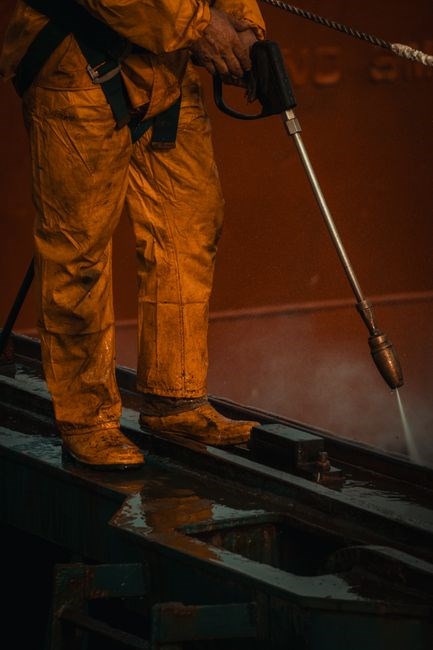
Wood Decks and Siding
When cleaning wood decks or siding, selecting the correct nozzle is essential to preserve the material while removing grime. A 4° nozzle delivers a moderate spray angle that covers a wide area without concentrating too much pressure on a single spot. This angle provides enough force to lift dirt, mildew, and paint residues while keeping the water flow balanced, preventing splashing or water damage to the wood fibers. For decks with delicate finishes or older timber, a 6° nozzle can be used for a gentler approach, ensuring the water spreads evenly and reduces the risk of splintering or warping. Conversely, a 2° nozzle is ideal for spot‑cleaning stubborn stains or applying a protective sealant, as the narrower spray concentrates pressure on a specific area, allowing precise application without oversaturating the surrounding wood.
Always pair the nozzle with a pressure washer set to 3000–4000 psi for decks and 2500–3500 psi for siding to maintain optimal cleaning performance without compromising structural integrity. Additionally, using a foam‑application attachment with a 2° nozzle can help distribute cleaning solutions evenly, enhancing the overall cleaning efficiency and protecting the wood’s natural grain. After washing, rinse with a low‑pressure 8° nozzle to remove residual soap and prevent streaks. Finally, dry the surface with a microfiber towel or allow it to air dry to avoid water spots.
Use a 4° nozzle for general cleaning, but always test a small area first before use!!
Remember to adjust pressure based on surface sensitivity and always test a hidden spot first.!!!
Concrete Driveways and Patios
Concrete surfaces are durable but can accumulate oil, algae, and hard‑water stains that dull their appearance. A 4° nozzle is the most common choice for these areas because it offers a balanced spray that covers a wide swath while delivering enough pressure to dislodge stubborn deposits. When using a 4° nozzle, set the pressure washer to 3000–3500 psi; this range is powerful enough to blast away grime without gouging the concrete or pushing water into cracks. For heavily soiled driveways, a 2° nozzle can be employed for targeted cleaning of oil drips or tire marks, concentrating the force on a small spot to lift the contaminants more efficiently. After the initial blast, switch to a 6° nozzle at a lower pressure (2500 psi) to rinse the surface, ensuring that any remaining residue is washed away without leaving streaks. If the concrete has a textured finish, a 6° nozzle helps prevent the water from pooling in recessed areas, which can otherwise lead to staining or mold growth. Always keep the nozzle at a 45‑degree angle to the surface and move in a steady, overlapping pattern to maintain uniform coverage. When the job is complete, a final rinse with an 8° nozzle at 2000 psi will remove any leftover suds and leave the driveway or patio sparkling clean. Proper nozzle selection and pressure control are key to extending the life of your concrete and keeping it looking new for years. By carefully matching nozzle size to the job, you protect surfaces, save water, and achieve professional results without costly repairs. Remember to inspect the nozzle for wear and replace it drops soon!!.

Automotive Washes

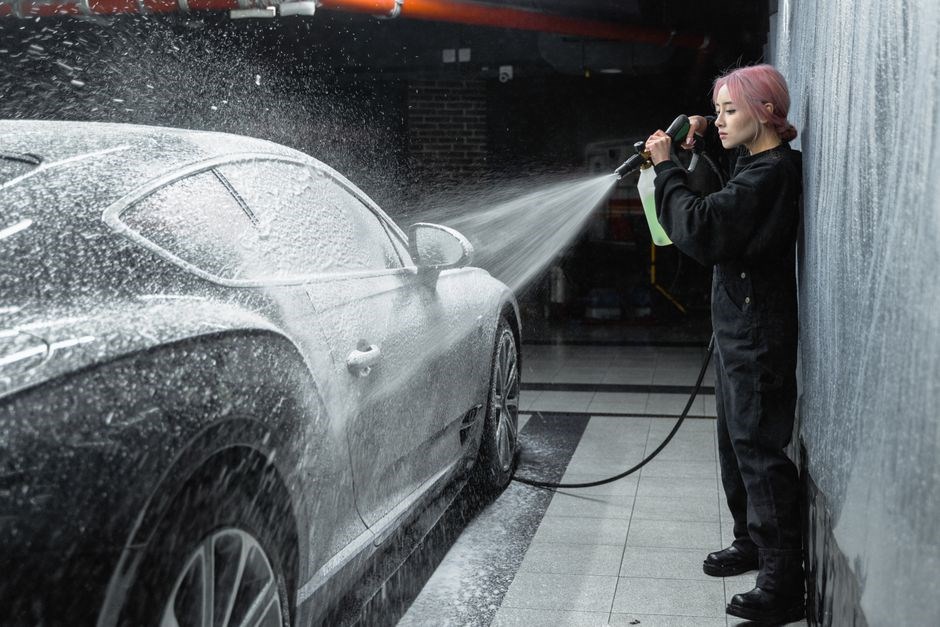
Automotive washing demands a nozzle that balances power and gentleness. A 6° nozzle is ideal for most cars, delivering a wide spray that removes dirt without damaging paint. Set the pressure washer to 2000–2500 psi; this range is sufficient to lift grime while protecting clear coats. For delicate trim or chrome, switch to a 8° nozzle at 1500 psi to soften the impact. If the vehicle has heavy oil buildup, a 2° nozzle can be used for spot‑cleaning, concentrating force on the affected area. Always keep the nozzle 45° to the surface and move in a slow, overlapping pattern to avoid streaks. After the main wash, rinse with a 6° nozzle at 2000 psi to remove soap residue. For a final shine, use a 0.5° nozzle at 3000 psi to blast off any remaining water spots. Remember to keep the nozzle tip clean and replace it when it shows wear, as a damaged tip can cause uneven spray and damage the vehicle. Proper nozzle selection ensures a spotless finish and protects the vehicle’s finish for years.
Maintenance and Replacement Tips
Regular maintenance extends the life of your nozzle set and keeps your pressure washer running efficiently. After each wash, flush the system with clean water to remove debris and prevent clogging. Inspect each nozzle for cracks, burrs, or worn tips; a damaged tip can distort spray patterns and damage surfaces. Use a small brush or compressed air to clear any buildup of dirt or mineral deposits. If you notice a reduction in flow or a change in spray angle, replace the nozzle immediately. For stainless‑steel nozzles, a light oiling of the threads before reassembly helps prevent rust. Brass nozzles are more prone to corrosion; store them in a dry place and apply a protective coating if not used frequently. Plastic nozzles are inexpensive but may degrade over time; replace them after 12–18 months of use or when they show signs of cracking. Keep a spare set of each size on hand, especially the 6° and 8° nozzles commonly used for heavy‑duty cleaning. Label each nozzle with its angle and material to avoid confusion. Finally, always consult the manufacturer’s guidelines for specific cleaning solutions and recommended pressure ranges to avoid damaging both the nozzle and the surface being cleaned. When changing nozzle sizes, always adjust the pressure to match the nozzle’s recommended range; applying too high pressure to a wide‑angle nozzle can still harm delicate surfaces, whereas using too low pressure on a narrow nozzle may leave stubborn stains that require a stronger jet. Follow these guidelines for safe cleaning!